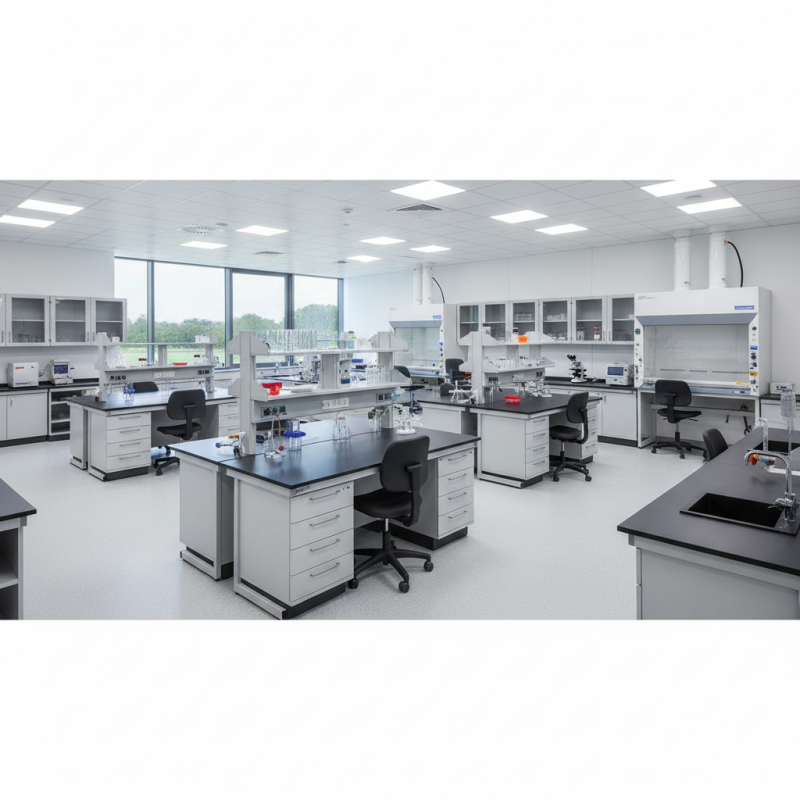
What is Lab Furniture and Why is it Essential for Laboratories?
Lab furniture plays a crucial role in laboratories. It is specifically designed to meet the unique needs of scientific environments. Proper lab furniture ensures safety, efficiency, and functionality. High-quality lab furniture can withstand chemicals and heavy equipment.
The right lab furniture enhances workflow. For instance, adjustable tables allow for various tasks. Storage solutions help organize tools and materials effectively. However, not all furniture is created equal. Choosing the wrong type may lead to clutter and inefficiency.
Investing in specialized lab furniture reflects a commitment to safety and productivity. It is essential to evaluate options carefully. Quality lab furniture can be the difference between a productive lab and a chaotic one. Inadequate furniture can hinder research and experiments. Understanding the importance of lab furniture is vital for any laboratory setting.
What is Lab Furniture: Definition and Overview
Lab furniture refers to specialized items designed for use within laboratories. This includes benches, tables, stools, and storage units. Unlike standard furniture, lab furniture must meet unique requirements. It is built to resist chemicals, meet safety standards, and enhance productivity.
The importance of lab furniture extends beyond mere functionality. High-quality benches offer adequate workspace and storage helps keep equipment organized. Choosing the right materials is crucial, as wood may warp, while metal surfaces can withstand harsh conditions. Proper layout design can boost workflow and ensure safety, but it requires careful planning.
Selecting lab furniture involves understanding specific lab needs. The preferences of researchers should inform these choices. There is no one-size-fits-all solution. Adjustments may be necessary as research evolves or priorities change. Continuous evaluation of furnishings can lead to improvements, helping labs stay efficient and safe.
Lab Furniture Overview
| Item |
Description |
Material |
Purpose |
| Lab Bench |
Work surface for experiments and research activities |
Phenolic resin, epoxy, stainless steel |
Provides a stable platform for lab work |
| Fume Hood |
Ventilated enclosure to protect users from hazardous fumes |
Polypropylene, stainless steel |
Ensures safety during chemical experiments |
| Storage Cabinets |
Secure storage for lab supplies and equipment |
Metal, wood |
Keeps laboratory organized and supplies safe |
| Seating |
Ergonomic chairs and stools for lab personnel |
Plastic, fabric |
Provides comfort during long hours of work |
| Workstation |
Integrated setup for computer and lab instruments |
Wood, laminate |
Facilitates analysis and data recording |
Types of Lab Furniture: Essential Components and Their Functions
Lab furniture plays a crucial role in laboratories. It includes various components like benches, chairs, storage units, and fume hoods. Each piece is designed to meet specific needs within a lab environment.
Benches are essential for conducting experiments. They are often adjustable, allowing users to maintain proper ergonomics. Chairs provide comfort during long hours of work. Some may have wheels for easy movement. Storage units keep materials organized and accessible. Proper organization saves time and improves efficiency.
Tips: Choose benches with chemical-resistant surfaces. This helps in easy cleaning and maintenance. Consider chairs that support good posture. A comfortable chair can enhance productivity.
Fume hoods are vital for safety. They protect users from hazardous fumes. Ensure proper installation and regular maintenance to guarantee effective operation. Safety should never be compromised.
Tips: Always check the air flow before use. Ensure that furniture can withstand heavy lab equipment. This avoids wear and tear over time.
Materials Used in Lab Furniture: Durability and Safety Considerations
Lab furniture plays a critical role in creating a functional and safe working environment. Selecting the appropriate materials for lab furniture is essential to ensure durability and safety. Common materials include stainless steel, epoxy resin, and high-pressure laminate. Each material offers unique benefits and limitations.
Stainless steel is known for its strength and resistance to corrosion. It is easy to clean, making it a popular choice for medical and research laboratories. However, it can be prone to scratches and dents over time. Epoxy resin surfaces are chemical-resistant and durable, making them ideal for busy labs. Nevertheless, they may not withstand extreme heat as well as other materials.
High-pressure laminate is versatile and comes in various designs. It is lightweight and resistant to wear but may not be as strong as metal surfaces. Balancing cost and durability is a challenge. Lab furniture must be practical yet safe, and this requires continuous evaluation of materials. The right choice ensures the safety of everyone working in the lab.
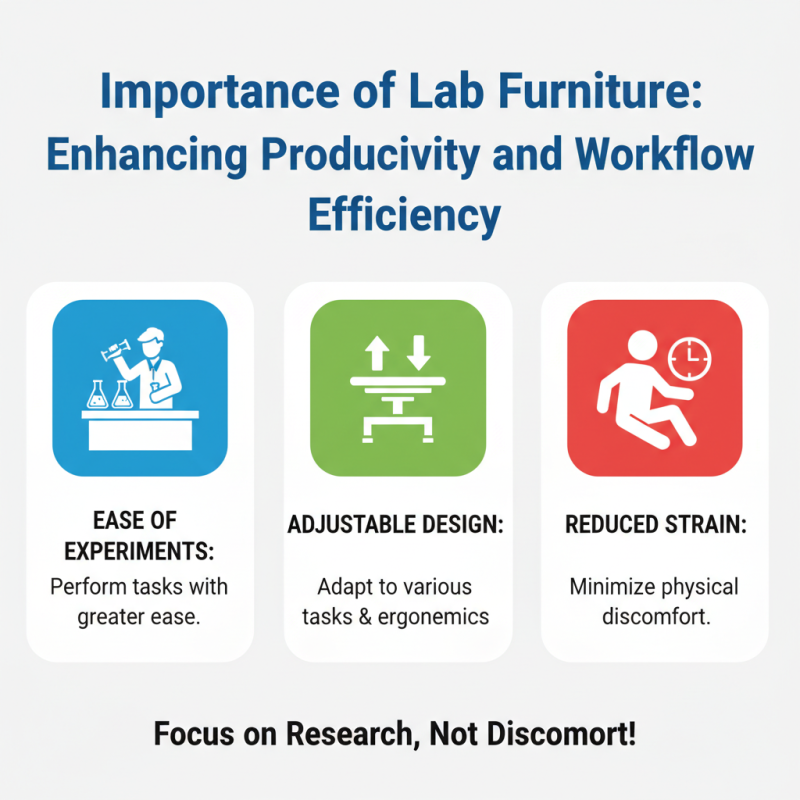
Importance of Lab Furniture: Enhancing Productivity and Workflow Efficiency
Lab furniture plays a crucial role in enhancing productivity and workflow efficiency within laboratories. With properly designed furniture, scientists can perform experiments with greater ease. Adjustable lab tables, for example, cater to various tasks while supporting ergonomics. This minimizes physical strain during long working hours, allowing researchers to focus on their work more effectively.
Tip: Consider the layout of your lab. An optimized workspace reduces unnecessary movement. By placing frequently used equipment within easy reach, you can streamline tasks and boost overall efficiency.
Moreover, specialized lab furniture, such as chemical-resistant cabinets, ensures safe storage. This is not only essential for protecting sensitive materials but also for maintaining a clutter-free environment. A tidy lab contributes to clearer thinking and reduces the risk of errors in experiments.
Tip: Regularly assess your lab furniture. Is it still serving its purpose? Outdated or ill-suited furniture may hinder productivity. Keep evolving your workspace to meet current demands. A well-equipped lab is a cornerstone for successful outcomes.
Choosing the Right Lab Furniture: Factors to Consider for Laboratories
Choosing lab furniture requires careful consideration. Proper furniture directly impacts productivity and safety.
Think about the type of research being conducted. Different labs have different needs. For instance, chemistry labs require chemical-resistant surfaces. Biology labs may require specialized storage for specimens. Consider the space available for the furniture. Ensure there is enough room for movement. Clutter can hinder workflow and create hazards.
Tips: Choose adjustable furniture to accommodate various tasks. Ergonomic designs help reduce strain during long hours. Check for durability; furniture should withstand daily use.
Don't overlook storage needs. Effective organization keeps the workspace efficient. Label storage areas to avoid confusion. Always prioritize safety features in your selection. This adds an essential layer of protection in lab environments, where risks are inherent.